Complete Guide to Electronics Recycling Services
Sustainable Solutions: How E-Waste Recycling Services Are Saving Our Planet
E-waste poses significant threats to the environment, as disposed electronics frequently harbor hazardous substances. These toxic materials have the potential to taint soil and water sources, resulting in widespread environmental harm. E-waste recycling services present a viable solution. They not only recover valuable resources but also mitigate pollution. Gaining insight into how these programs function and affect local communities is critical. Pursuing efficient e-waste management brings forth pressing questions regarding individual duties and shared responsibility. What steps can be taken next?
The Reasons E-Waste Is Damaging to the Planet
Even though technology enhances contemporary living, e-waste poses considerable environmental hazards. Disposed electronic equipment, often containing dangerous compounds like mercury, lead, and cadmium, may release harmful substances into the surrounding soil and water supply, creating hazards for both wildlife and human well-being. The accelerating rate of technological innovation contributes to increased consumer turnover of electronics, worsening the buildup of discarded electronic materials.
Landfills, already burdened with waste, struggle to accommodate the growing volumes of discarded gadgets. Incineration, another disposal method, releases harmful pollutants into the atmosphere, contributing to air quality degradation. Furthermore, inadequate recycling methods can result in the shipment of electronic waste to underdeveloped nations, where workers may break down equipment without proper protective measures, putting themselves at risk of exposure to hazardous materials. This cycle of neglect and improper handling underscores the urgent need for sustainable recycling solutions that can mitigate the adverse effects of e-waste on the planet.
Understanding E-Waste and Its Significance
E-waste, also referred to as electronic waste, includes discarded electronic devices like computers, smartphones, and televisions that have exceeded their operational lifespan. This growing category of waste is significant owing to its accelerating volume, propelled by advances in technology and evolving consumer behaviors. As more devices become obsolete, the toll on the environment grows more severe, with toxic materials such as lead, mercury, and cadmium posing risks to ecosystems and human health.
The importance of addressing e-waste lies not only in mitigating these hazards but also in recognizing the valuable materials it contains. Valuable metals and rare earth materials can be extracted and repurposed, lessening the demand for mining and preserving natural resources. By Read this understanding e-waste and its implications, individuals and organizations can make informed decisions about disposal and recycling, ultimately contributing to a more sustainable future. Responsible management of e-waste plays a key role in supporting a circular economy and championing environmental stewardship.
How E-Waste Recycling Works
E-waste recycling entails an organized procedure aimed at reclaiming useful resources while reducing harm to the environment. At the outset, electronic waste is gathered and delivered to dedicated processing centers. After reaching the facility, the devices undergo thorough sorting to distinguish harmful elements from reusable resources.
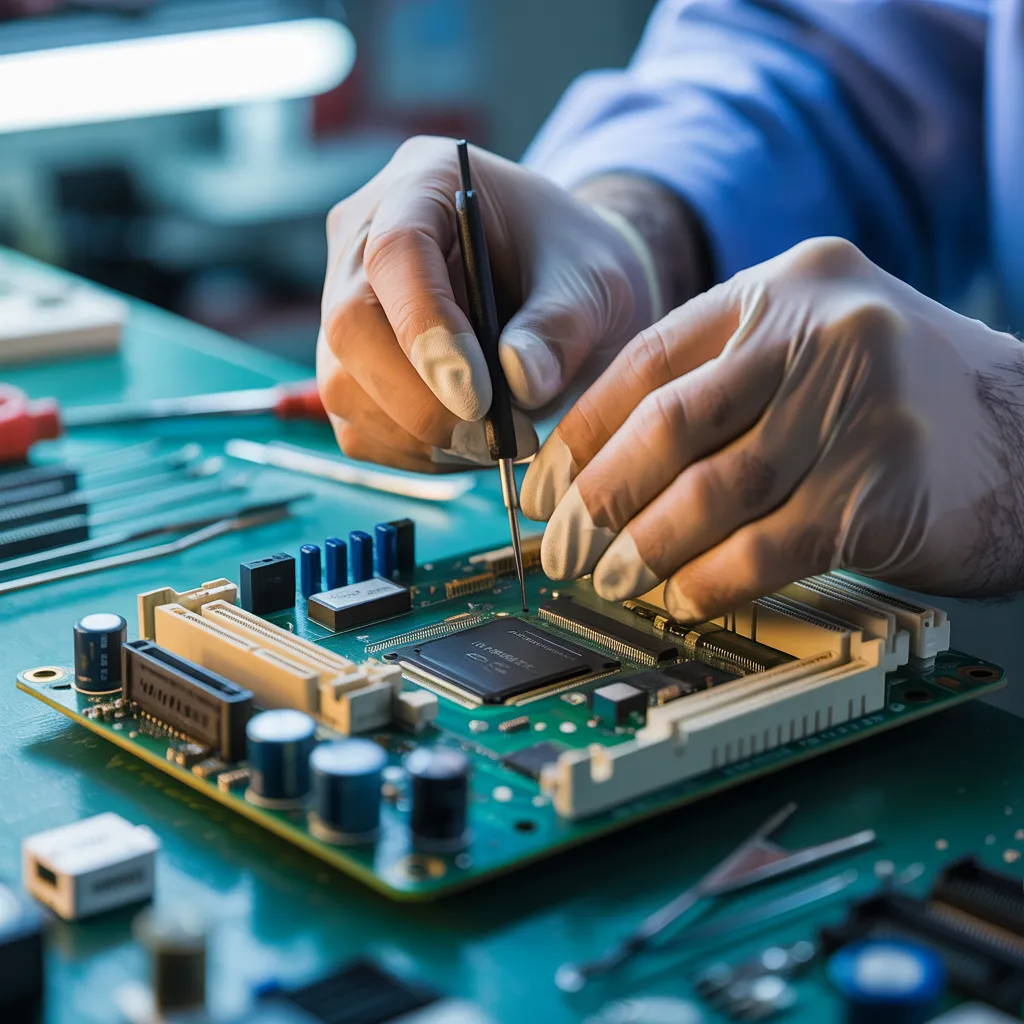
Next, technicians take apart the items, separating plastics, metals, and glass. This step is critical, as it allows for the retrieval of precious metals like copper, gold, and silver, which can be reused in modern electronics.
Subsequently, the isolated materials are refined through advanced techniques, such as shredding and chemical treatments, to purify them for recycling.
In the final step, the remaining hazardous materials are disposed of responsibly, following environmental guidelines. This comprehensive process not only saves important resources but also minimizes the hazards linked to improper e-waste disposal, guaranteeing a greener future for electronic consumption.
Advantages of E-Waste Recycling for You and Your Community
Although it often goes unnoticed, the advantages of e-waste recycling go far beyond individual benefit and actively shape entire communities. By responsibly disposing of electronic waste, individuals play a role in creating a safer environment, minimizing harmful substances that can contaminate soil and water. This proactive approach actively safeguards local ecosystems and supports public health.
In addition, electronic waste recycling supports employment opportunities within local communities. Nearby recycling establishments regularly need employees for numerous tasks, covering everything from collection to processing, thereby providing employment opportunities within the community. This not only stimulates the local economy but also encourages community engagement in sustainable practices.
Additionally, knowledge about e-waste recycling is capable of inspiring community outreach programs, equipping residents to pursue greener alternatives. By taking part in e-waste recycling programs, individuals cultivate a culture of sustainability, prompting others to follow suit. Overall, the collective impact of these actions can contribute to a more strong and environmentally aware community.
How to Pick an E-Waste Recycling Service
Selecting the right electronic waste recycling provider is vital for ensuring that electronic refuse is handled with responsibility and sustainability. First, individuals should confirm the provider's certifications, such as R2 and e-Stewards certifications, which signify compliance with industry standards for responsible recycling methods. Additionally, it is advisable to evaluate the company's reputation by reading customer reviews and seeking recommendations from trusted sources.
Moreover, openness in the recycling process is crucial. A reliable service should supply straightforward details about how e-waste is processed and what happens to the materials. Furthermore, considering the scope of services provided can prove valuable; certain providers may offer collection services or present rewards for recycling.
Furthermore, understanding area-specific requirements for e-waste disposal can help inform the choice of disposal method. By taking these elements into account, consumers can play a role in effective e-waste management while supporting sustainable environmental efforts.
How You Can Get Involved in E-Waste Recycling?
Getting involved with e-waste recycling often starts at the local level, where recycling centers regularly supply essential services for safe disposal. Furthermore, participating in community awareness campaigns can enhance efforts to raise awareness about the importance of ethical e-waste practices. These actions not only encourage sustainable practices but also cultivate a collective sense of stewardship of the environment.
Nearby Recycling Facilities
Numerous regional recycling hubs play an essential role in the recycling of e-waste, providing communities with accessible options to manage electronic waste appropriately. These hubs welcome a wide array of electronic devices, including used computers, handheld devices, and televisions, guaranteeing that dangerous substances are processed safely. Most centers are equipped with experienced team members who help individuals navigate appropriate disposal procedures, stressing the significance of recycling instead of landfilling. In addition, numerous facilities provide drop-off events or designated collection days, making participation convenient for residents. By utilizing these local services, people help build a circular economy, reducing environmental impact and promoting sustainable practices. Partnering with these facilities empowers communities to take action against e-waste pollution effectively.
Public Awareness Initiatives
Local organizations, schools, and businesses can partner to arrange initiatives that encourage e-waste collection drives. Dedicated participants can take a leading part in raising awareness, sharing informational resources, and connecting with local residents. By means of these joint initiatives, community members grow more knowledgeable and inspired to dispose of their electronics responsibly, thereby helping to build a greener and more sustainable tomorrow.
Questions We Often Receive
What Electronic Devices Are Eligible for Recycling?
A wide range of electronics can be recycled, including computers, smartphones, televisions, laptops, gaming consoles, and printers. Moreover, ancillary devices such as keyboards, mice, and batteries are well-suited for recycling, contributing to sustainable environmental practices.
Are There Any Costs Associated With E-Waste Recycling?
That's correct, e-waste disposal may involve charges, depending on the service provider. Some service centers apply costs for collection or processing, while other facilities offer free services, often subsidized by the proceeds from salvaged materials.
How Can Businesses Benefit From E-Waste Recycling?
Businesses can benefit from e-waste recycling by reducing disposal costs, enhancing their environmental image, complying with regulations, reclaiming useful materials, and potentially generating revenue through resale, thereby fostering a more environmentally responsible business approach.
What Becomes of Data on Recycled Devices?
Details on refurbished electronics is frequently irretrievably wiped or eliminated throughout the recycling process. This confirms sensitive information remains secure, stopping improper access while allowing resources to be recycled safely and responsibly across new manufacturing processes.
Can I Recycle Broken Electronics?
Absolutely, defective electronics can be recycled. Many centers accept defective devices, guaranteeing responsible disposal and recovery of valuable materials. This effort helps decrease environmental impact while encouraging sustainable recycling habits to control electrical waste properly.