Choose Electronics Recycling Services for Eco Disposal
Eco-Friendly Approaches: How E-Waste Recycling Services Are Preserving Our Planet
Electronic waste presents serious dangers to the environment, as discarded electronics often contain toxic materials. Such dangerous compounds can pollute soil and water supplies, resulting in widespread environmental harm. E-waste recycling services present a viable solution. They not only recover valuable resources but also mitigate pollution. Gaining insight into how these programs function and affect local communities is critical. Pursuing efficient e-waste management brings forth pressing questions regarding individual duties and shared responsibility. What steps can be taken next?
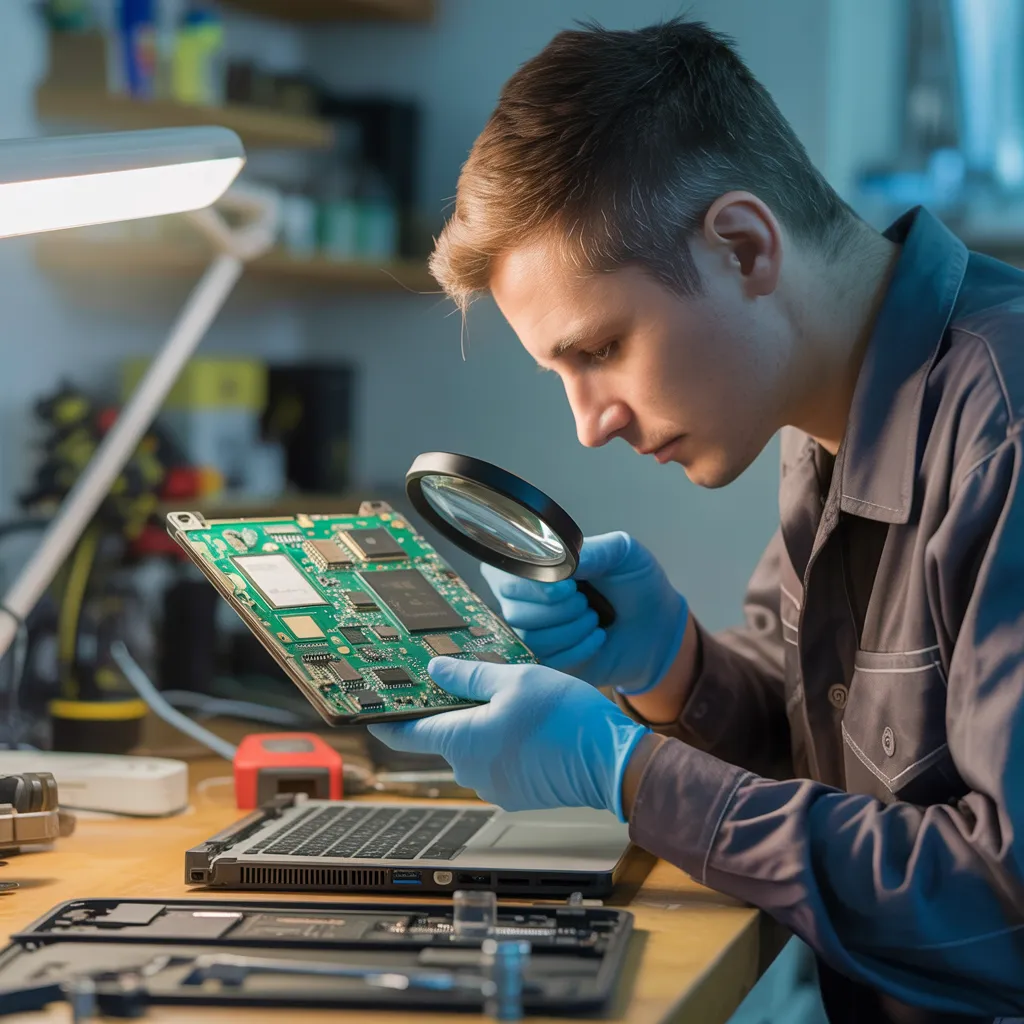
How E-Waste Is Hurting the Planet
While technology enriches contemporary living, e-waste creates significant environmental threats. Discarded electronic devices, often containing dangerous compounds like mercury, lead, and cadmium, may release harmful substances into soil and groundwater, creating hazards for ecosystems and human health. The swift progression of technology contributes to increased consumer turnover of electronics, intensifying the growing problem of discarded electronic materials.
Landfills, already strained by waste, are unable to keep up with the rising quantities of abandoned electronics. Incineration, another disposal method, releases harmful pollutants into the atmosphere, contributing to air quality degradation. In addition, improper recycling practices can lead to the exportation of e-waste to developing countries, where laborers may dismantle devices without adequate safety measures, exposing themselves to dangerous substances. This ongoing cycle of carelessness and inadequate management emphasizes the pressing necessity for responsible recycling initiatives that can lessen the harmful consequences of e-waste on our world.
Understanding E-Waste and Its Significance
Electronic waste, commonly known as e-waste, includes obsolete electronic products like televisions, computers, and smartphones that are no longer functional or needed. This rapidly expanding waste category is noteworthy because of its swift buildup, propelled by advances in technology and evolving consumer behaviors. With an increasing number of devices reaching obsolescence, the environmental impact intensifies, with harmful substances like lead, mercury, and cadmium posing risks to ecosystems and human health.
The significance of tackling e-waste extends beyond minimizing these risks to recognizing the valuable resources it holds. Valuable metals and rare earth materials can be extracted and repurposed, lessening the demand for mining and preserving natural resources. Through a deeper awareness of e-waste and its consequences, both individuals and organizations can make well-informed choices regarding disposal and recycling, thereby supporting a more sustainable future. Proper management of e-waste is essential for fostering a circular economy and promoting environmental stewardship.
How E-Waste Recycling Works
E-waste recycling entails a systematic process designed to recover valuable materials while reducing harm to the environment. At the outset, discarded electronics are retrieved and sent to dedicated processing centers. After reaching the facility, the electronics are carefully categorized to isolate dangerous parts from recoverable materials.
Next, employees deconstruct the products, extracting metals, plastics, and glass. This phase is essential, as it facilitates the retrieval of precious metals like silver, gold, and copper, which can be reused in new electronic products.
Following this, the separated materials are refined using sophisticated techniques, such as shredding and specialized chemical treatments, to prepare them for reuse.
In the final step, the remaining dangerous materials are managed properly, following environmental regulations. This systematic method not only conserves resources but also minimizes the hazards associated with improper e-waste disposal, ensuring a more sustainable future for the consumption of electronics.
How E-Waste Recycling Benefits You and Your Community
Though many people are unaware, the positive effects of e-waste recycling extend beyond personal convenience to positively impact entire communities. By carefully processing electronic waste, individuals contribute to a safer environment, decreasing hazardous materials that can leach into soil and water. This forward-thinking practice works to protect local ecosystems and supports public health.
Moreover, the recycling of e-waste encourages employment opportunities within local communities. Regional recycling centers frequently need staff for numerous tasks, including collection and processing, therefore offering work opportunities for local residents. This not only stimulates the local economy but also fosters community involvement in eco-friendly practices.
Moreover, awareness of e-waste recycling has the potential to generate awareness campaigns, encouraging residents to make environmentally conscious decisions. By enrolling in e-waste recycling programs, individuals foster a culture of sustainability, motivating others to do the same. In summary, the shared impact of these actions can create a more strong and environmentally aware community.
How to Pick an E-Waste Recycling Service
Selecting the best e-waste recycling service is vital for ensuring that e-waste is handled responsibly and sustainably. First, individuals should check the provider's certifications, such as e-Stewards or R2, which indicate compliance with industry standards for responsible recycling methods. It is equally important to evaluate the provider's reputation by reviewing feedback and seeking referrals from reliable sources.
Next, clarity in the recycling process is essential. A trustworthy provider should offer detailed insights about how e-waste is processed and how the materials are utilized. Furthermore, assessing the variety of services available can be advantageous; various firms may supply retrieval services or extend benefits for recycling.
Finally, understanding local guidelines related to e-waste disposal may further shape the decision-making process. By prioritizing these factors, individuals can contribute to effective e-waste management as well as promoting green and responsible behaviors.
Ways You Can Participate in E-Waste Recycling?
Engaging in e-waste recycling can start at the local level, where recycling centers often provide essential services for proper disposal. Additionally, joining community awareness campaigns can enhance efforts to inform others regarding the importance of proper e-waste handling. These initiatives not only advance environmental sustainability but also foster a collective sense of stewardship of the environment.
Nearby Recycling Facilities
Several regional recycling hubs perform an important function in recycling electronic waste, offering communities convenient opportunities to dispose of electronic waste responsibly. These centers accept a range of electronic equipment, including old computers, smartphones, and televisions, making certain that hazardous materials are managed safely. Most stations have qualified professionals who support individuals in understanding proper disposal practices, stressing the significance of recycling instead of landfilling. Additionally, numerous facilities provide planned drop-off gatherings or set collection days, allowing residents to take part with ease. Through the use of these community services, community members advance a circular economy, minimizing ecological impact and fostering sustainable behaviors. Connecting with these stations allows communities to address e-waste pollution proactively.
Community Outreach Campaigns
Community groups, educational institutions, and companies can partner to arrange initiatives that encourage e-waste collection drives. Volunteers can play a pivotal role in spreading awareness, distributing educational materials, and engaging with the community. Through these collective efforts, community members grow more knowledgeable and inspired to dispose of their electronics responsibly, thereby helping to build a greener and more sustainable tomorrow.
Questions We Often Receive
What Types of Electronics Can Be Recycled?
Various electronics can be recycled, including laptops, televisions, smartphones, printers, computers, and gaming consoles. Moreover, peripherals such as mice, keyboards, and batteries are well-suited for recycling, aiding in efforts Begin here to conserve the environment.
Is There a Cost Associated With E-Waste Recycling?
Indeed, electronic waste recycling may involve charges, depending on the service provider. Some facilities impose charges for pickup or handling, while others offer free services, frequently supported by the proceeds from salvaged materials.
How Do Businesses Gain From E-Waste Recycling?
Companies can take advantage of e-waste recycling by lowering disposal expenses, strengthening their ecological standing, adhering to regulatory requirements, recovering valuable materials, and potentially generating revenue through resale, thereby fostering a more environmentally responsible business approach.
What Occurs with Data on Recycled Devices?
Details regarding recycled equipment is commonly completely removed or obliterated throughout the recycling process. This confirms private details remains secure, blocking unwanted intrusion while permitting materials to be recycled securely and sustainably across new manufacturing processes.
Is It Possible to Recycle Damaged Electronics?
Indeed, defective electronics may be recycled. A wide range of facilities receive defective devices, guaranteeing proper disposal and extraction of recoverable materials. This effort helps decrease harm to the environment while encouraging eco-friendly recycling methods to handle electrical waste responsibly.